
Tag Archive for: blogging

Costume Storage

Storing a costume

Costume Storage

Once the costume party or that cosplay event is over how do you store your costume? The $100 costumes you can just hang up or put in a box, others are a work of art that cost thousands of dollars. If you have put time and money into this specialty wear, consider storing it so it will continue to look great and last for years to come.

Get the most out of your costumes with these care and storage tips:

  • Never store a dirty costume. Whether you danced the night away or roamed the halls of a convention center cosplay event the oils from your skin have been absorbed by your costume. These oils will break down material. Follow the costume’s cleaning instructions. No instructions? Then, hand washing or using a professional cleaning service is best. Some costumes can be laundered in a washing machine, but only on the gentle/delicate cycle with a gentle laundry soap and a small amount of liquid fabric softener. Always hang dry a costume. The heat from a dryer will damage delicate fabrics. It’s important that the costume be completely dry before storing it away. Mold and mildew can destroy a costume in a few weeks and also make it unsafe to wear.

    Hand washing

    Hand washing a costume


  • Consider storing the costume in the original package. If you don’t have this package, avoid storing costumes in plastic bags or bins. Certain kinds of plastic have acids that can ruin fabrics. Many manufacturers now make acid-free plastic containers. Wedding dress boxes and acid free garment bags are an example of this. You can purchase acid-free containers through stores like Amazon and some big-box stores like Walmart.
Costume additions

Costume storage

  • Accessories such as masks, hats, boots, purses and props will require proper support so they don’t lose shape. Again, the original packaging can be helpful in storing these items. You can also fill the hollows of these items with acid free paper to help them keep shape and limit deterioration.
  • Once you have taken proper care of the costume you can consider placing it in storage if you do not have a safe space for it.

If you have an amazing costume that you have taken the time and money to put together it’s worth storing properly so your next costumed event has great memories like the one you just went to.

Should You Store It?

Can you store it?

Should You Store It?

Whether your storage is in a basement, an attic, a garage or a storage unit don’t fill it with things you don’t really want or need. While we’re not going to tackle cleaning out your storage here (a topic for another day), ask yourself these questions before packing things away.

1) Do you need it? This sounds like a simple enough question, but how each of us answers this is highly individual. If you are making an effort to cut back on clutter, try to get real about what “need” means. Defining what is important to you is the first step to efficient storage.

2) Does it work? Don’t let your storage space become the place where broken things go to die! Stop telling yourself, “I’ll fix it one of these days”. If you don’t care enough about the item in question to get it fixed right away, it’s probably not worth keeping.

Broken Watch

Broken pocket watch

3) Is it clean? Storing clothing and other textile items without having them cleaned first can spell trouble. Moths and other critters are attracted to the dirt on textiles. And body oils will cause fabric to break down over time. Your best defense is to put only clean items into storage. Tools and outdoor equipment, including patio furniture, should also be cleaned before storing to avoid deterioration. If you are in need for a good cleaning place check it out.

4) Is it yours? It’s amazing how much stuff we can accumulate from others. If you are storing the item in question for a relative or child, consider setting a limit and giving the item back rather than continuing to let it take up valuable storage space.

5) Are you saving it for family? When you save things for family like children or grandchildren, making decisions about what to keep can be a challenge. Often a small amount of carefully chosen and properly stored items can be far more meaningful (and welcome) than an attic’s worth of stuff. Tuck a note about where each piece came from or why it is important to help pass along the stories to the next generation.

6) Will it create a problem if stored? Perishables like food, pet food, plants and potting soils shouldn’t be put into storage as they can create problems by attracting bugs, mice and other pests. Ammunition, chemicals, fertilizers, fireworks and fuels also shouldn’t be stored as they will deteriorate, become unstable and create a fire hazard. Most storage offices will have a list of what is not accepted.

7) Is it irreplaceable? One-of-a-kind items, collectables, jewelry, family photos, and documents like birth certificates and passports should be kept in a safety deposit box or a safe in your home. While storage companies take every precaution to keep things safe and secure break-ins and violent weather can still impact these facilities.

Mona Lisa

Mona Lisa should you store it

First Time Using Storage

First Time Using Storage

First Time Using Self Storage

At some point, you or a family member experience an event where self-storage offers a solution. Whether it’s a move, a renovation, or a death in the family if you’ve never rented a storage unit here are some insider tips to help things go smoothly.

First, determine what size storage unit you need. The quickest way is to inventory what you are storing and use a storage size calculator. This tool can be found on a storage company’s website and can save you the headache of choosing the wrong sized storage unit.

Once you know the size you need check storage prices. Keep in mind that the price given isn’t always the final price. Some storage businesses require a damage or gate fob deposit, or charge admin or service fees.

Now that you have determined the storage facility and a unit size, be prepared for some paperwork. Just like renting a car, or a home, storage rentals require a contract. To keep this as painless as possible have the following information ready:

– Photo ID.

– Your contact information (current address where you receive your mail, your cellphone number and an email address.

– Name an alternate contact for your account (with phone number) in case you can’t be reached for any reason.

– If you are storing a vehicle you will have to show the current registration as proof of ownership.

Before you sign the rental agreement make sure you understand it. You don’t want to find yourself in breach of this legally binding contract, just because you didn’t read it. That’s a little like telling a police officer that pulled you over for speeding that you didn’t see the speed limit sign.

The storage contract will contain things like how much and when rent is due, additional charges, storage rules (what you can and can’t store and acceptable or unacceptable activities in the storage facility), insurance requirements, and the repercussions if you fail to pay rent.

While these contracts can seem daunting a good storage company will have this document written in plain language and have trained staff that should willingly offer to explain it to you.

Pro Tip:

A storage facility’s insurance never covers a renter’s possessions. This is because the insurance company has no way of verifying the value of these possessions. As a homeowner or renter, you may already have content insurance that will cover belongings in storage. Always inquire with your insurance company to ensure items in storage would be covered.

Pro Tip:

When you are talking to storage staff about the contract, also ask if someone is onsite in case you need help while in the facility, what the office hours are and what yard access hours will be.

Once you understand the storage contract, and your questions have all been answered, sign the agreement and then you are ready for the final step, packing your belongings into the storage unit.

Pro Tip:

When  you are planning a move and looking for a moving company we could suggest one for you. Always check for pricing and reviews.

Pro Tip:

Before you reach the yard with your belongings, learn how to access the storage facility and your unit. Whether you received a fob, or access code test for facility, make sure it works and check to see if you can get into your storage unit.

Now you can get down to the business of loading your storage unit. For tips on how to maximize your space check out our blog on how to pack a storage unit.


Jumping The Self Storage Line

Climbing the Self Storage Line

Jumping The Self Storage Line

Self storage businesses across Alberta have been getting busy. So, finding a storage unit at the
last minute has become much harder.

Here’s how to get a leg up on your fellow storage unit hunters.

As soon as you are aware that you need storage, start looking. It costs nothing to look around.

Remember price isn’t everything
Check reviews and also see how the business connects with its customers. Is communication
strictly online? Do calls go to a remote call center? Are staff knowledgeable about storage and
the local community?

Pro Tip:
Is there someone onsite if you need help? Moving and storing your belongings can be stressful
and having knowledgeable help available can make or break your storage experience

Be flexible
Could you take a slightly bigger or smaller unit? Using an online storage calculator will help you
choose the right size for your belongings.

Directions

Plan Ahead

Pro Tip:
If there isn’t a storage unit in the size you need ask about making up the size you need by using
two smaller units.

Get your name on a waiting list
A good self storage business will call if you are on a waiting list and a storage unit comes
available.

Pro Tip
There will be times when a unit comes available before storage staff get to people on the
waiting list. That is why keeping an eye on their website can be a huge advantage. Using the
storage company’s online rental platform can help you skip the waiting list, because you can
often move yourself in online before the storage unit is taken by another renter.

Start a conversation with the storage staff
Storage staff can take care of you over email to help you make the most of your time.
Also, don’t be afraid to call the storage office. Most offices don’t mind if you call and check in
from time to time. A good storage operator is there to do what they can to help you!

Protecting Items In Storage

Using a drop cover for protecting storage items

Protecting Items for Storage

You’ve made the decision to place your items in storage and now that you have everything
ready go, here are some simple tips to protect what you are storing:

Confounded Condensation
Depending on the weather extremes and humidity in your area, it is possible for condensation
to build up on your stored goods which can cause water and mold damage. A good option to
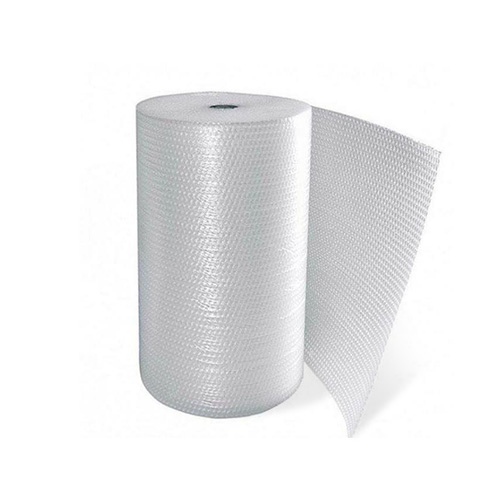
avoid damage from prolonged moisture exposure is to put a plastic drop sheet on the floor of
your storage unit before placing items in the unit. Using pallets to put your belongings on is
even better, especially if you are storing goods for longer periods of time. Also, leave some
‘breathing space’ (about two finger widths) between stacked items so fresh air circulates
between your belongings.

If your furniture has had its issues already before storage, https://kleenway.ca/residential/residential-upholstery-cleaning specializes in green friendly residential upholstery cleaning.

Don’t Over Stack
When placing boxed items in storage, the temptation is to stack as high as you can reach. Boxes
are only designed to take so much weight and over time might give way under the stress of
over stacking. This can result in entire stacks toppling over. If the items in those boxes are
fragile… well, you get the point. You also need to consider your safety. For this reason, stacks
should only go as high as your natural reach…or the natural reach of the shortest adult
accessing the storage.

Man with moving boxes

Protect Your Belongings

Dreaded Dust
Nobody wants to open their unit and find that everything inside is now dust covered. All that
cleaning you did to prepare your goods for storage has been potentially wasted – and let’s face
it: dust is inevitable. So why not use a couple of inexpensive plastic drop sheets to help protect
your items? Drop sheets should be draped loosely around items to encourage air flow but offer
protection from fine dust.

By using these three tips, your stored goods should remain intact, dry and dust free. Be sure to
check out the retail items available for purchase at our locations to assist with your packing needs. We are here to help you through every step
of your rental process.
You can access more information on our blog site such as the importance of cleaning before you store, as well as make use of our handy
storage calculator to determine the correct unit size for your needs.
Ron Heizelman – Site Manager, MHS

Earth Day

Earth day is coming April 22 and amid all the chaos of the past few years we wanted to put the focus back on the future of our families and our community here at Medicine Hat Storage. After all the way we treat the environment now will affect future generations. 


A planet that is growing warmer each year isn’t good for any living thing. We can’t become complacent to this threat to the world, so Medicine Hat Storage has focused on offering only moving boxes made from recycled material and going paperless in our office. Below are just a few positive effects this action has on our community and the world.


Protects trees (our shield against CO2)

Trees are considered carbon sinks. Trees lock away carbon dioxide in the wood, roots, and leaves. “This locking-up process ‘stores’ carbon as wood and not as an available ‘greenhouse’ gas. Trees are imperative to earths survival so it is beneficial to protect them as best we can.” Steve Nix forestry expert on  .


Reduces paper waste

According to , in 2022, paper mills will produce about 500 million tons of paper and cardboard. Paper waste produces pollution which is toxic to air, water, and soil. Paper is produced by using chlorine-based bleaches so when paper rots in the landfill Methane gas gets released. This gas is worse than CO2. Using products made with recycled products and going paperless significantly reduces paper waste and in turn reduces the amount of toxic gasses entering our atmosphere.


Saves water

The amount of water used to produce one piece of paper is 10 litres. The less paper we use in our office, the less of the life-giving resource is wasted.


How is your family or business being environmentally conscious? We’d love to hear your ideas so that we all can do a little better to help our home — planet Earth.