Tag Archive for: cleaning

Guide to Summer Gear Storage

As the sun-soaked days of summer fade on the horizon, they leave behind the simple joy of outdoor pursuits, from pedalling along scenic trails, to setting up camp, or gliding gracefully atop shimmering waters—summer gifts us with a multitude of cherished experiences.

Whether you are a biker, camper, or paddler, summer gives us great pleasure. All these wonderful activities lead to an accumulation of outdoor gear. What is your plan for storing it during the off-season?

In this guide, we delve into preserving these cherished adventures—cleaning, organizing, and storing your summer gear. It’s a journey that involves not just safeguarding your possessions but also ensuring that the magic of summer continues for years to come.

Summer Gear Storage Tips:

  1. Clean Your Equipment

After every summer adventure, it’s essential to clean your equipment thoroughly. Use warm water and mild soap to cleanse your gear, including tents and sleeping bags. Removing any dirt and ensuring they’re completely dry before storage is vital, particularly for preventing mold and mildew.

  1. Choose the Right Storage Containers

Long-term storage of tents and sleeping bags should be in breathable mesh bags or cotton bags like old pillowcases. Loosely fold these items for long-term storage instead of tightly rolling them. This allows airflow, preventing mold and mildew growth. Remember, compressing a sleeping bag for extended periods can damage its fill.

  1. Organize Smaller Items

Store smaller items like flashlights, matches, eating utensils, plates, cookware, and more in clear storage containers. This way, you can easily identify and access them when needed.

  1. Organize Water Gear

Choose a large container to hold wetsuits, life jackets, water shoes, and other water gear. This ensures they’re kept together and protected during the off-season.

  1. Follow Manufacturer Recommendations for Watercraft Storage

Store paddle boards, canoes and kayaks indoors so the winter weather will not degrade fiberglass, plastic, fabric or specially-coated wood hulls.


Pro Tip: keep a checklist stored with your equipment so you don’t forget anything for your camping trips. Your list should include all items you will typically want to bring along.

Many of our clients store their summer gear in the garage or a spare closet so they can quickly pack up the car for a weekend getaway. But if these items are filling your halls and other living spaces self storage is an option that comes in many sizes to accommodate these items in the colder months.

Call us now at Medicine Hat Storage where we prioritize your storage needs — 1-877-415-6576
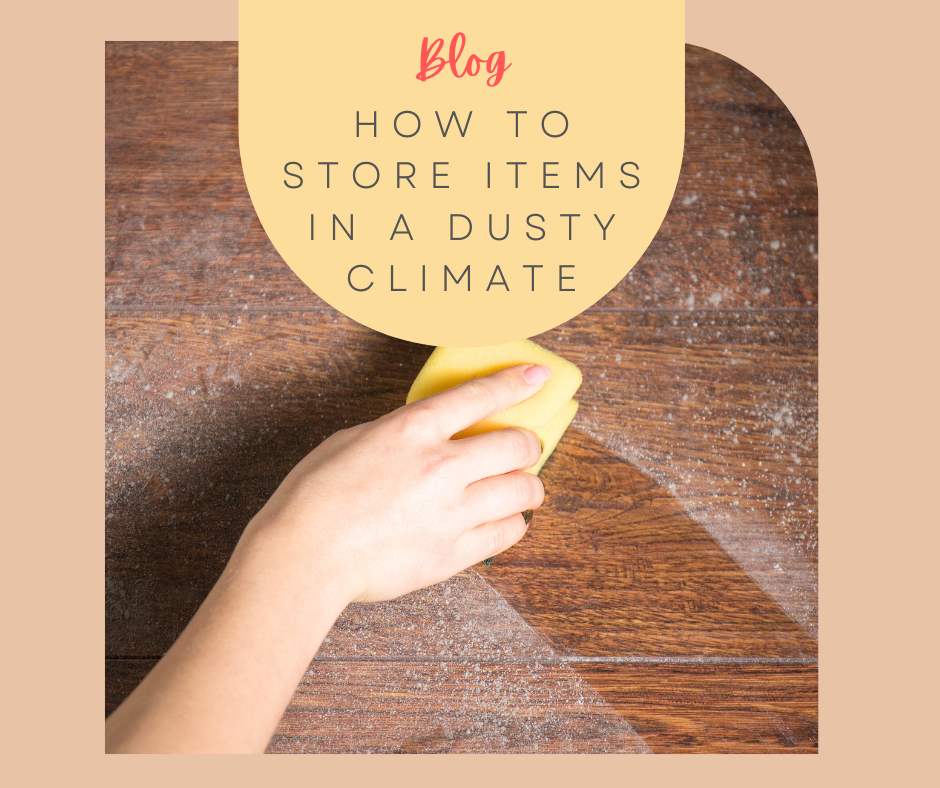
How To Store In Dusty Climates

Storing In  A Dusty Climate

How To Store In Dusty Climates

In Alberta we live in one of the driest climates on earth and a dry climate means dust — it’s in our homes
and inevitably it finds its way into our storage units. This year is particularly bad because of ash in the air
from the forest fires. No matter how well sealed a home or storage unit may seem, air circulation means
ash and dust will find its way in.
But this doesn’t mean you can’t protect your belongings from this hazard. With some planning and
protection, furniture items like couches, chairs, and tables can safely be kept in a storage unit.
If it’s wood furnishings you are storing, think carefully — if the item is made of delicate tropical wood or
it’s an antique then it’s best to store it somewhere with climate control. Old wood and tropical woods
are highly susceptible to cracking, warping, splitting, and breaking in extreme temperatures. The rule of
thumb is if it would be challenging and expensive to repair, find someplace with a consistent
temperature to store them. Once you have your delicate wood furnishings in a climate-controlled
environment place dust covers over them to minimize the amount of cleaning these items will require
when brought out of storage.
What’s the best way to store upholstered items? While this type of furniture doesn’t need climate
control for storage it is particularly susceptible to damage from ash and dust. Proper furniture covers
like sofa and chair covers are preferable but plastic dust covers also work. These covers can be
purchased for little cost and provide good protection for your belongings. Place one dust cover on the
floor to protect furniture legs from moisture. Then, cover the furniture with another dust cover.
Depending on the size of your dust cover you may need more than one to cover all furnishings,
particularly larger pieces like sofas, tall shelving units, or entertainment units.
These simple steps give furnishings some protection from ash and dust in the air as well as any potential
moisture leaching up through flooring or coming in under a door.

As our local climate is changing with more volatile weather it is best practice to follow your local town/city office and Environment Canada

Pro Tips for Spring Cleaning


Tips for Spring Cleaning

Pro Tips for Spring Cleaning

Spring Cleaning on Your Mind?

But Where to Start?

Experts say spring cleaning has several benefits — a clean home can improve your health and make you
happier. But were to start? Decluttering is the first step, but can be a daunting task. Here are a few
decluttering tricks from the staff at Medicine Hat Storage to help you get started.
1) Start by decluttering small spaces like a drawer or cabinet and as you gain confidence tackle
bigger spaces.
2) Set yourself up for success by tidying your home slowly in short, manageable spurts. For
example, aim to spend 20 minutes cleaning each day instead of doing it for an entire day or over
a weekend.
3) Honor your natural pace by cleaning as you go about your day. This can look like doing the
dishes immediately after cooking dinner or decluttering your closet while you put away your
laundry.
Do you have a sentimental attachment to items? As such, the thought of decluttering
your possessions may feel overwhelming. Here are some tricks to help you come to terms
with letting go of some belongings:
1) Try the one in, one out rule. This principle is simple yet surprisingly effective: For every new item
you bring into your home, something you already own must go.
2) Use the inverted decluttering technique coined by author Gretchen Rubin in her book “Outer
Order, Inner Calm.” Instead of focusing on items you want to keep, identify the worst or least
useful things you own. You’ll find clarity and satisfaction in singling out what no longer serves
you.

Lady in sunlight

Pro Tips for Spring Cleaning

3) Take a cue from author Emily Ley and ask yourself if an item is the best, favourite or necessary.
This will encourage you to ditch duplicates, hold on to the necessities, and appreciate the
fabulous stuff you already own.
4) Ask yourself if your possessions spark joy. Popularized by Japanese decluttering expert Marie
Kondo this strategy will help you evaluate whether to keep an item or get rid of it based on how
it makes you feel.
5) Use a cut-and-dry trick like the “90/90” rule. Coined by Joshua Fields Millburn and Ryan
Nicodemus of The Minimalists, with this rule you to ask yourself two questions: Have you used it
in the past 90 days? If not, will you use it in the next 90 days? If you answer “no” to both
questions, it’s time to let it go – gift it, donate it, or through it out.
What tip works to get you started on a decluttering or cleaning spree? Share those tips on our Facebook page

Costume Storage

Storing a costume

Costume Storage

Once the costume party or that cosplay event is over how do you store your costume? The $100 costumes you can just hang up or put in a box, others are a work of art that cost thousands of dollars. If you have put time and money into this specialty wear, consider storing it so it will continue to look great and last for years to come.

Get the most out of your costumes with these care and storage tips:

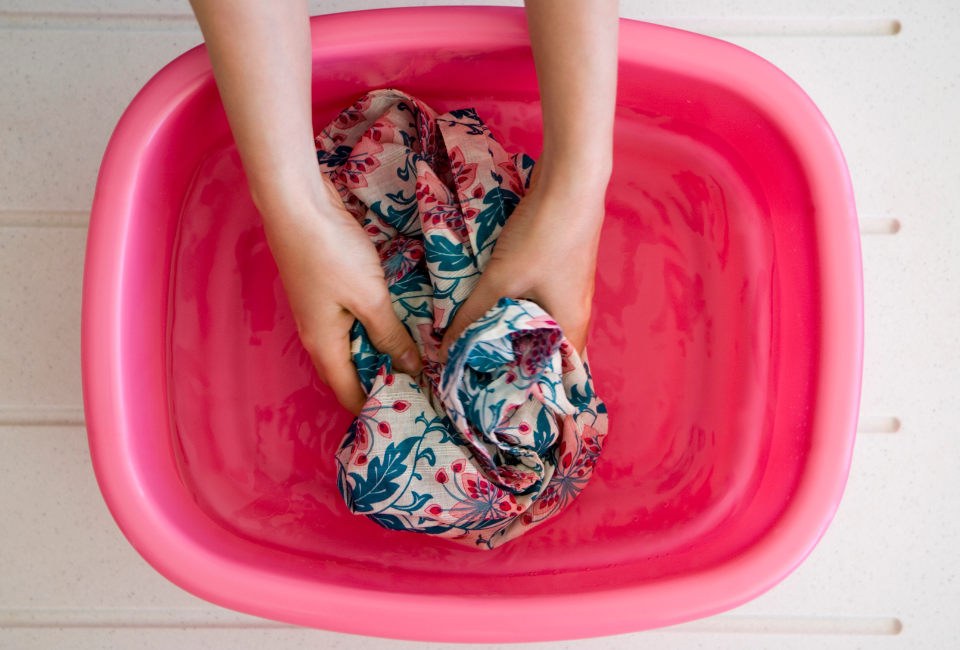
  • Never store a dirty costume. Whether you danced the night away or roamed the halls of a convention center cosplay event the oils from your skin have been absorbed by your costume. These oils will break down material. Follow the costume’s cleaning instructions. No instructions? Then, hand washing or using a professional cleaning service is best. Some costumes can be laundered in a washing machine, but only on the gentle/delicate cycle with a gentle laundry soap and a small amount of liquid fabric softener. Always hang dry a costume. The heat from a dryer will damage delicate fabrics. It’s important that the costume be completely dry before storing it away. Mold and mildew can destroy a costume in a few weeks and also make it unsafe to wear.

    Hand washing

    Hand washing a costume


  • Consider storing the costume in the original package. If you don’t have this package, avoid storing costumes in plastic bags or bins. Certain kinds of plastic have acids that can ruin fabrics. Many manufacturers now make acid-free plastic containers. Wedding dress boxes and acid free garment bags are an example of this. You can purchase acid-free containers through stores like Amazon and some big-box stores like Walmart.
Costume additions

Costume storage

  • Accessories such as masks, hats, boots, purses and props will require proper support so they don’t lose shape. Again, the original packaging can be helpful in storing these items. You can also fill the hollows of these items with acid free paper to help them keep shape and limit deterioration.
  • Once you have taken proper care of the costume you can consider placing it in storage if you do not have a safe space for it.

If you have an amazing costume that you have taken the time and money to put together it’s worth storing properly so your next costumed event has great memories like the one you just went to.

Should You Store It?

Can you store it?

Should You Store It?

Whether your storage is in a basement, an attic, a garage or a storage unit don’t fill it with things you don’t really want or need. While we’re not going to tackle cleaning out your storage here (a topic for another day), ask yourself these questions before packing things away.

1) Do you need it? This sounds like a simple enough question, but how each of us answers this is highly individual. If you are making an effort to cut back on clutter, try to get real about what “need” means. Defining what is important to you is the first step to efficient storage.

2) Does it work? Don’t let your storage space become the place where broken things go to die! Stop telling yourself, “I’ll fix it one of these days”. If you don’t care enough about the item in question to get it fixed right away, it’s probably not worth keeping.

Broken Watch

Broken pocket watch

3) Is it clean? Storing clothing and other textile items without having them cleaned first can spell trouble. Moths and other critters are attracted to the dirt on textiles. And body oils will cause fabric to break down over time. Your best defense is to put only clean items into storage. Tools and outdoor equipment, including patio furniture, should also be cleaned before storing to avoid deterioration. If you are in need for a good cleaning place check it out.

4) Is it yours? It’s amazing how much stuff we can accumulate from others. If you are storing the item in question for a relative or child, consider setting a limit and giving the item back rather than continuing to let it take up valuable storage space.

5) Are you saving it for family? When you save things for family like children or grandchildren, making decisions about what to keep can be a challenge. Often a small amount of carefully chosen and properly stored items can be far more meaningful (and welcome) than an attic’s worth of stuff. Tuck a note about where each piece came from or why it is important to help pass along the stories to the next generation.

6) Will it create a problem if stored? Perishables like food, pet food, plants and potting soils shouldn’t be put into storage as they can create problems by attracting bugs, mice and other pests. Ammunition, chemicals, fertilizers, fireworks and fuels also shouldn’t be stored as they will deteriorate, become unstable and create a fire hazard. Most storage offices will have a list of what is not accepted.

7) Is it irreplaceable? One-of-a-kind items, collectables, jewelry, family photos, and documents like birth certificates and passports should be kept in a safety deposit box or a safe in your home. While storage companies take every precaution to keep things safe and secure break-ins and violent weather can still impact these facilities.

Mona Lisa

Mona Lisa should you store it

Protecting Items In Storage

Using a drop cover for protecting storage items

Protecting Items for Storage

You’ve made the decision to place your items in storage and now that you have everything
ready go, here are some simple tips to protect what you are storing:

Confounded Condensation
Depending on the weather extremes and humidity in your area, it is possible for condensation
to build up on your stored goods which can cause water and mold damage. A good option to
avoid damage from prolonged moisture exposure is to put a plastic drop sheet on the floor of
your storage unit before placing items in the unit. Using pallets to put your belongings on is
even better, especially if you are storing goods for longer periods of time. Also, leave some
‘breathing space’ (about two finger widths) between stacked items so fresh air circulates
between your belongings.

If your furniture has had its issues already before storage, https://kleenway.ca/residential/residential-upholstery-cleaning specializes in green friendly residential upholstery cleaning.

Don’t Over Stack
When placing boxed items in storage, the temptation is to stack as high as you can reach. Boxes
are only designed to take so much weight and over time might give way under the stress of
over stacking. This can result in entire stacks toppling over. If the items in those boxes are
fragile… well, you get the point. You also need to consider your safety. For this reason, stacks
should only go as high as your natural reach…or the natural reach of the shortest adult
accessing the storage.

Man with moving boxes

Protect Your Belongings

Dreaded Dust
Nobody wants to open their unit and find that everything inside is now dust covered. All that
cleaning you did to prepare your goods for storage has been potentially wasted – and let’s face
it: dust is inevitable. So why not use a couple of inexpensive plastic drop sheets to help protect
your items? Drop sheets should be draped loosely around items to encourage air flow but offer
protection from fine dust.

By using these three tips, your stored goods should remain intact, dry and dust free. Be sure to
check out the retail items available for purchase at our locations to assist with your packing needs. We are here to help you through every step
of your rental process.
You can access more information on our blog site such as the importance of cleaning before you store, as well as make use of our handy
storage calculator to determine the correct unit size for your needs.
Ron Heizelman – Site Manager, MHS

Preparing Belongings For Storage

Getting yourself prepared for self storage

Preparing Your Belongings For Storage

Before you pack your belongings into storage, you need to get them ready. From cleaning to taking inventory, here’s how to best prepare.

Purge

If you haven’t used something in a while or no longer want an item don’t waste money storing it. Sell it or donate it to someone who will make better use of the item.

Clean everything that’s going into storage

Before you put things into storage make sure they are clean. Why is this important? If you store something while it’s dirty, it’s only going to be worse for wear when you unpack it two, four, or twelve months later. Over time things that are stored dirty can acquire a musty smell, and stains can damage fabrics. A thorough cleaning will ensure that items don’t deteriorate while in storage.

Pro tips:

  • Wash clothes and linens then store them in plastic bags to prevent mold and mildew.
  • Vacuum out the crevasses and wipe all furnishings then use an appropriate protective spray on leather and fabric upholstery. Wax wood furniture.
  • Wipe the inside and outside of appliances. If applicable, run a final wash cycle with vinegar. If you are storing a washer, make sure all tanks and hoses are drained. For fridges and freezers add a moisture absorbent substance like charcoal to help prevent odors. You can reach out to local appliance companies as well for info. https://www.bc-appliance.ca/
  • Wipe all sporting goods and kids’ toys including plush toys. Store plush toys in plastic bags.


Inventory what you’re storing

Person taking inventory for self storage

Be prepared by doing an inventory first

While you are cleaning your belongings, write down what’s going to be stored. Why is this important? An inventory will help you determine what size storage unit you need and how to organize that storage unit.

Pro tips:

  • Our storage calculator web page allows you to enter an inventory of your belongings and calculates what size storage unit you need. You can also email this list to yourself right from our storage calculator page.
  • Add a brief description including the item’s brand, serial number, model number, and if there is any damage to your inventory list.
  • Email a copy of your inventory list to your property insurance agent and advise them that you are putting these items into storage. This will help ensure that you have coverage for these possession’s and speed up the claims process should disaster make this necessary.


Make sure you get the right size of storage unit

Our easy-to-use storage calculator does the math for you. Once you’ve entered an inventory of your possessions into the calculator the graph on the right side of this web page tells you what size storage unit you need. You can then go ahead and book your storage unit either by clicking on the Rent Now button on our website, or if you need help you can call us and talk to someone in our office.

Screen shot of calculator page

Using our self storage calculator

Pro tip:

  • Right now, we are experiencing high demand for storage units and have a waiting list for many sizes. Renting online allows you to quickly see and rent any size that is available. This is kind of like a gamer’s cheat code for self-storage. If the size you want isn’t available don’t give up. People come and go from self-storage units daily. So, call our office and get on the waitlist right away.

Now you will need to pack your belongings. How you pack an item determines how well it survives a move, storage and then being unpacked. Watch for our next blog — How to pack your belongings like a pro so they are in good condition when you take them out of storage.

Top 5 Mistakes When Storing Your RV

If you are new to the RV scene, welcome! We hope you had a great summer visiting all the beautiful camping spots Alberta has to offer. It’s hard to say goodbye to summer and park the RV. To help you get back on the road without delay next RV season here are some winter storage blunders to avoid: Read more

Moving During A Pandemic

Packing and moving can be difficult at the best of times, but moving during a pandemic creates a whole new set of challenges. If you have to move you and your moving company should put health and safety first. We suggest you call your moving company to discuss your options and they should help you plan as safe (and seamless) a move as possible. This may include: Read more

Seller’s Remorse

Kids, grandma is moving in. It will be so great to have her living here.

Jill speaking to husband – John: What are we going to do with all of mom’s belongings? It won’t fit in the house and she has so much.

John speaking to Mother-in-law – Ethel: Why don’t we have a garage sale before you move. Jill and I can help, and of course Cathy and Cindy being teenagers can also help. This will teach them how to negotiate. Read more